

10 Signs You Might Have Iron Deficiency
Table Of Contents
Tired, breathless, losing hair or craving ice? These could all be signs of iron deficiency. Here are 10 warning signs worth taking seriously.
Iron deficiency is one of the most common nutritional deficiencies worldwide, affecting millions of people. Yet it often goes unrecognised because its symptoms can be subtle and easily attributed to other causes. As medical professionals at Revive and Reset Clinic, we see patients daily who have been struggling with iron deficiency symptoms without realizing the underlying cause.
Iron plays a crucial role in transporting oxygen throughout your body and supporting energy production at the cellular level. When iron levels drop, your body sends warning signals that shouldn’t be ignored. Understanding these signs can help you seek appropriate medical evaluation and treatment before the condition progresses to iron deficiency anaemia.
The 10 Warning Signs of Iron Deficiency
1. Unusual Fatigue and Weakness
Persistent tiredness that doesn’t improve with rest is often the first and most common sign of iron deficiency. This fatigue occurs because your tissues aren’t receiving adequate oxygen due to reduced red blood cell production. Unlike normal tiredness, iron deficiency fatigue is often described as feeling “heavy” or “drained,” affecting your ability to perform daily activities.
2. Pale Skin, Nails, or Inner Eyelids
Paleness, particularly in the nail beds, inner eyelids, or gums, indicates reduced red blood cell count. The haemoglobin in red blood cells gives blood its red colour, so when levels drop, these areas appear noticeably paler. Healthcare professionals often check the inner lower eyelid as a quick assessment for potential anaemia.
3. Shortness of Breath
When iron levels are low, your heart works harder to pump oxygen-poor blood throughout your body. This can result in shortness of breath during normal activities that previously didn’t affect your breathing. You might notice difficulty climbing stairs, feeling winded after light exercise, or needing to catch your breath more frequently.
4. Cold Hands and Feet
Iron deficiency can cause poor circulation, leading to chronically cold extremities. Your body prioritises sending oxygen-rich blood to vital organs, potentially leaving your hands and feet feeling cold even in warm environments. This symptom is particularly noticeable when others around you are comfortable.
5. Brittle or Spoon-Shaped Nails
Iron deficiency affects nail health, causing them to become thin, brittle, or even spoon-shaped (koilonychia). Your nails might break easily, develop ridges, or curve inward. This occurs because iron is essential for nail structure and strength. While nail changes can have various causes, when combined with other symptoms, they may indicate iron deficiency.

6. Strange Cravings for Non-Food Items
A condition called pica-craving and chewing substances with no nutritional value like ice, starch, dirt, or cornstarch-can be a sign of iron deficiency. Ice cravings are particularly common. While the exact mechanism isn’t fully understood, these cravings often disappear when iron levels are restored.
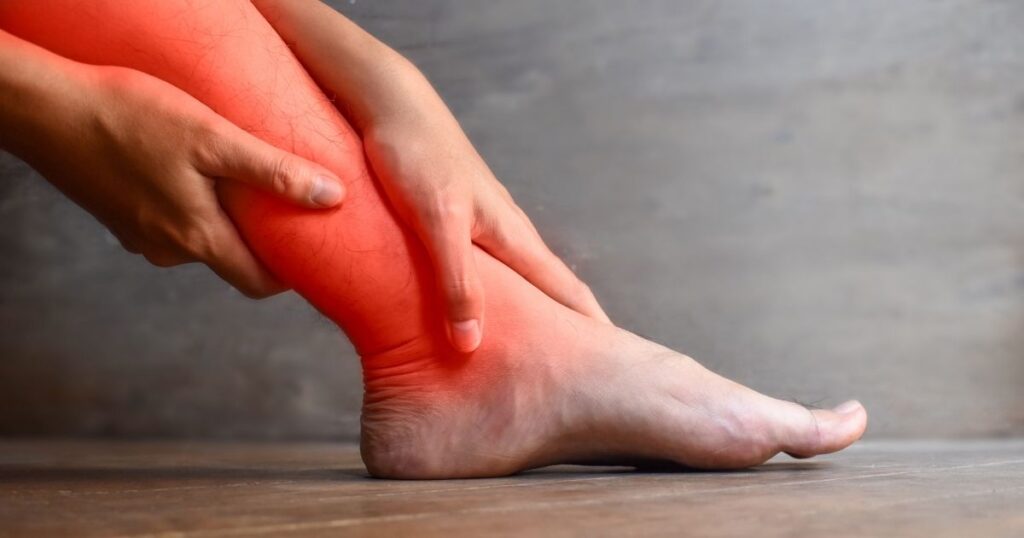
7. Restless Leg Syndrome
Up to 25% of people with restless leg syndrome have iron deficiency. This condition causes an uncomfortable urge to move your legs, typically worse in the evening or when resting. The sensation is often described as crawling, itching, or pulling feelings in the legs that temporarily improve with movement.
8. Frequent Headaches and Dizziness
When your brain doesn’t receive adequate oxygen due to low iron levels, headaches and dizziness can occur. These headaches are often described as dull and persistent. Dizziness, particularly when standing up quickly, may also be present due to the body’s struggle to maintain proper circulation.
9. Heavy Menstrual Periods
For women, heavy menstrual bleeding can both cause and be worsened by iron deficiency. If your periods last longer than seven days, require changing protection very frequently, or interfere with daily activities, this could contribute to iron loss. The relationship between heavy periods and iron deficiency can create a challenging cycle that requires medical attention.
10. Rapid or Irregular Heartbeat
When iron levels are low, your heart may beat faster or irregularly as it attempts to pump more blood to deliver the oxygen your body needs. You might notice heart palpitations, a racing heartbeat, or an irregular rhythm, particularly during physical activity or when lying down at night.
When to Seek Professional Help
Important: Don’t Ignore Multiple Symptoms
If you’re experiencing several of these symptoms, especially persistent fatigue combined with other signs, it’s important to consult with a healthcare professional. Iron deficiency is easily diagnosed with simple blood tests and is highly treatable when properly identified.
At Revive and Reset Clinic, we recommend seeking medical evaluation if you experience:
- Persistent fatigue lasting more than a few weeks
- Three or more of the symptoms listed above
- Symptoms that interfere with your daily activities
- Heavy menstrual periods (for women)
- Known risk factors such as vegetarian diet, pregnancy, or digestive disorders
Professional Treatment Options
Iron deficiency can often be corrected with appropriate treatment. Depending on the severity and underlying cause, treatment options may include:
Dietary Modifications
Increasing iron-rich foods and optimising iron absorption through proper food combinations.
Oral Iron Supplements
Prescribed iron supplements taken orally, though these can sometimes cause digestive side effects.
Intravenous Iron Therapy
For severe deficiency or when oral supplements aren’t effective, IV iron therapy provides rapid, efficient iron replacement directly into the bloodstream.
Specialised Iron Infusion Therapy
At Revive and Reset Clinic, we offer consultant-led iron infusion therapy for patients who require rapid iron replacement or cannot tolerate oral supplements. Our specialised approach ensures safe, effective treatment tailored to your individual needs. Learn About Iron Infusion Therapy